Jump to:
A–C | D–F | G–I | J–L | M–O | P–R | S–U | V–Z

D - F
Dream
Used here synonymously with illusion; see Illusion.
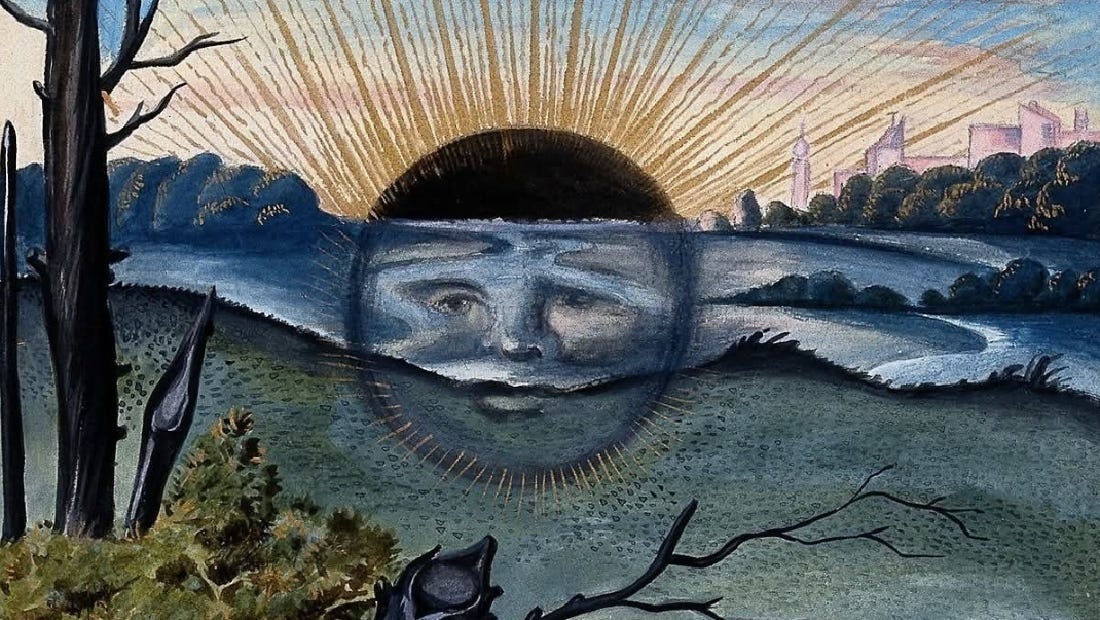
Ego
The ego is not a thing.
It is an activity.
It is the ongoing act of misidentifying the source of what you are.
More precisely:
The ego is the movement that says,
“I am this separate center of experience,
contained, defined, and vulnerable—
and everything else is outside of me.”
It is not just a belief in separation.
It is the continuous referencing of experience through that assumption.
—
More originally:
The ego is the attempt to stabilize a self that never actually formed.
A kind of echo trying to become an object.
—
So it must do three things, constantly:
It must differentiate (“I am this, not that”)
It must defend (“I must maintain myself”)
It must interpret (“Everything means something about me”)
This triad is its operating rhythm.
And because the “self” it protects is not truly there…
it never finishes.
__
So the ego is a loop.
A self-referencing pattern that feels like a center.
G - I
Illusion
[Related terms: the world, the dream, maya]
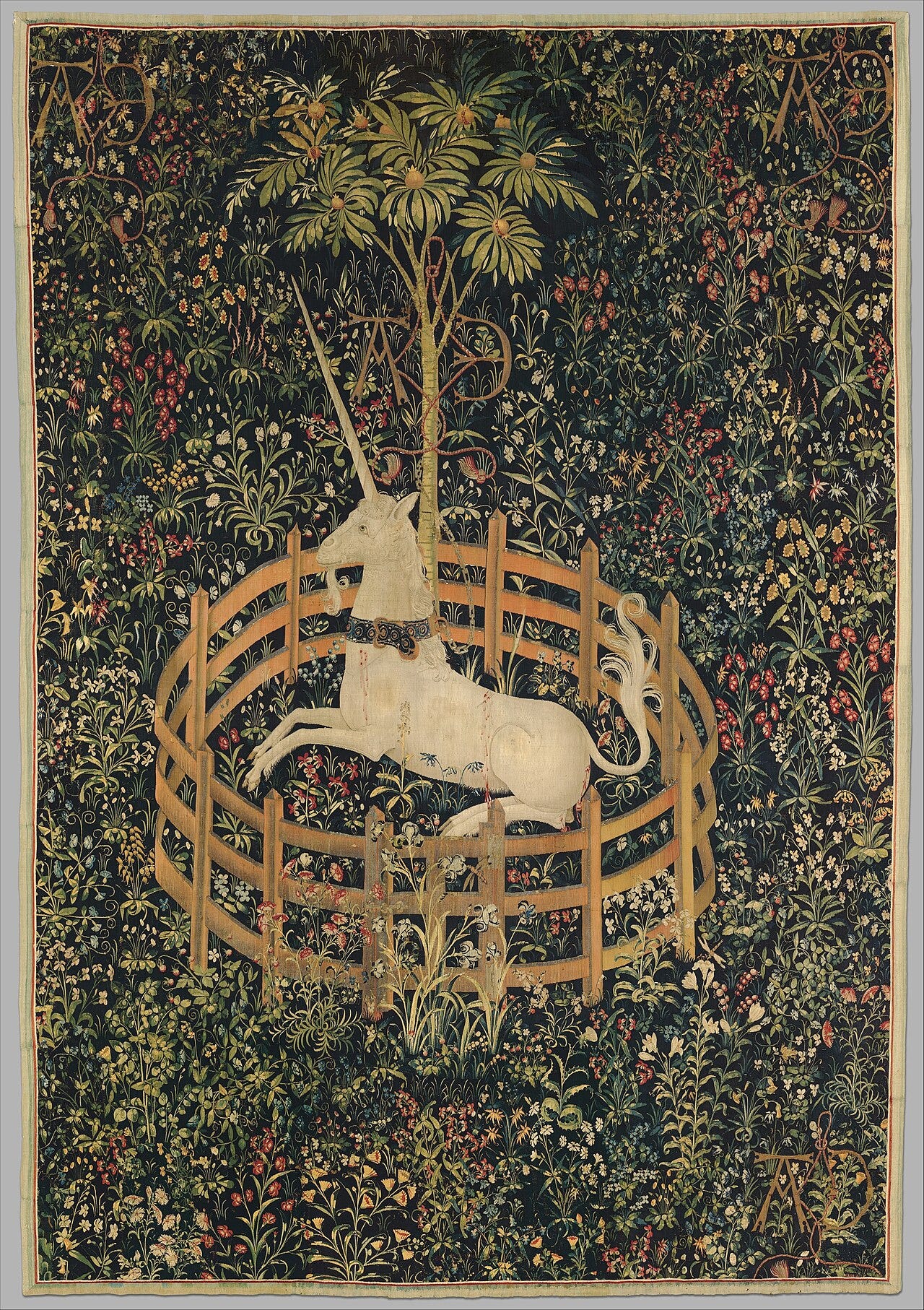
When we speak of illusion, we are speaking of the entire realm of appearances: the world of forms, objects, bodies, events, time, space, and separation.
In this sense, the world, the dream, and the illusion are largely synonymous.
An illusion is not something that does not appear.
It is something that appears, and, like all appearances, is not ultimately Real.
Reality is the truth that is always true. It does not come and go. It does not arise and pass away. It does not depend upon perception. By contrast, everything within the world of appearances is perceived, changes, and disappears. It may be experienced, but it is not Reality.
Yet illusion is best understood as neutral.
The dream can be used in two ways.
One way uses illusion to reinforce illusion. Every perception becomes evidence of separation. The world is treated as an external reality acting upon a separate self. Appearances are taken at face value, and the dream deepens.
The other way uses illusion to reveal illusion. Every perception becomes a mirror. Every experience points back toward the mind that is perceiving. The world is no longer treated as a source of truth but as a field of symbols reflecting the contents of consciousness.
Thus the question shifts.
Not:
“What is this appearance telling me about reality?”
But:
“What is this appearance revealing about the thought system through which I am perceiving?”
For perception is never neutral.
Every experience bears the imprint of interpretation.
Every appearance is enlisted into a story.
And every story serves one of two inner “teachers”.
One teacher says:
“This is about the world.”
The other says:
“This is about the mind.”
One points outward toward endlessly multiplying appearances.
The other points inward toward the source from which appearances are perceived.
In this way, the illusion becomes a classroom.
Not because illusion becomes Real, but because illusion can be used to remember Reality.
The dream cannot reveal truth through what it is.
It can only reveal truth through what it is not.
And when its purpose has been fulfilled, the seeker no longer looks to appearances for Reality.
Vision begins to dawn.
A different order of knowing becomes possible—one not dependent upon perception, interpretation, form, or change.
For Reality lies beyond the dream, beyond the world, beyond every appearance.
And it is there that true Identity is remembered.
S - U
Suffering
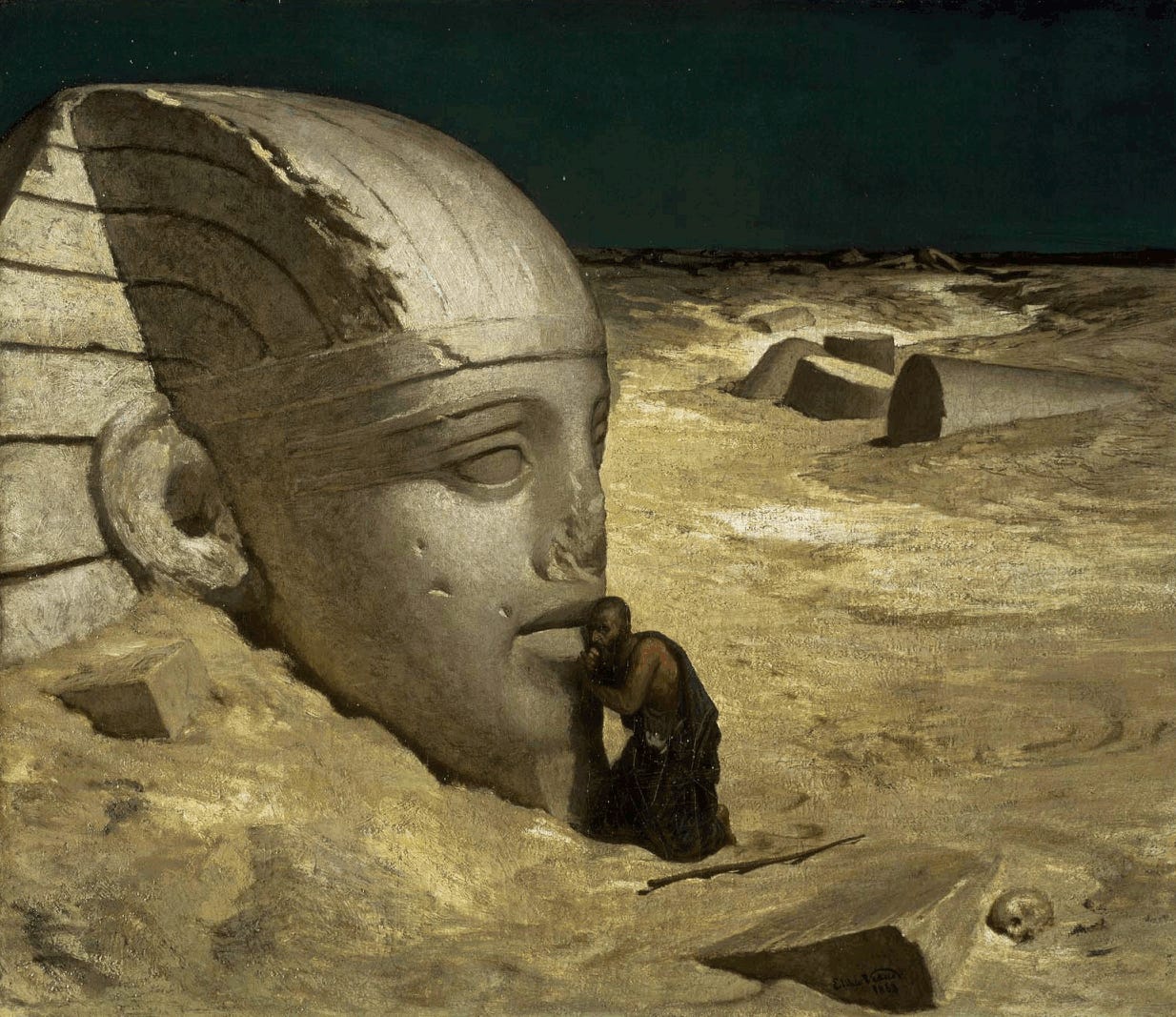
The felt contraction that arises when consciousness becomes identified with, resistant to, or divided against the seeming movement of experience.
Or more simply:
Suffering is the painful experience of what-is being internally opposed.
Now:
from a more nondual perspective,
one could say:
Suffering is what consciousness experiences when it forgets its deeper wholeness and attempts to secure itself entirely within transient forms.
This forgetting produces fear,
because transient forms cannot provide ultimate stability.
And fear produces contraction.
And contraction itself becomes painful.
Like tightening the body continuously.
Or holding the breath unconsciously.
The seeming-system strains against experience.
Now:
if we were to say it in language of “Love”:
Suffering is the experience of believing oneself separate from Love,
and therefore vulnerable, incomplete, and in conflict with life.
And finally,
perhaps the simplest rendering of all:
Suffering is what it feels like when consciousness forgets its own depth and becomes trapped inside contraction.
» For more on suffering:
The distinction between pain and suffering, and the importance of compassion in the face of suffering, see here.